


-

- idd cologne inspiration
-
Articles
Floral Perspectives
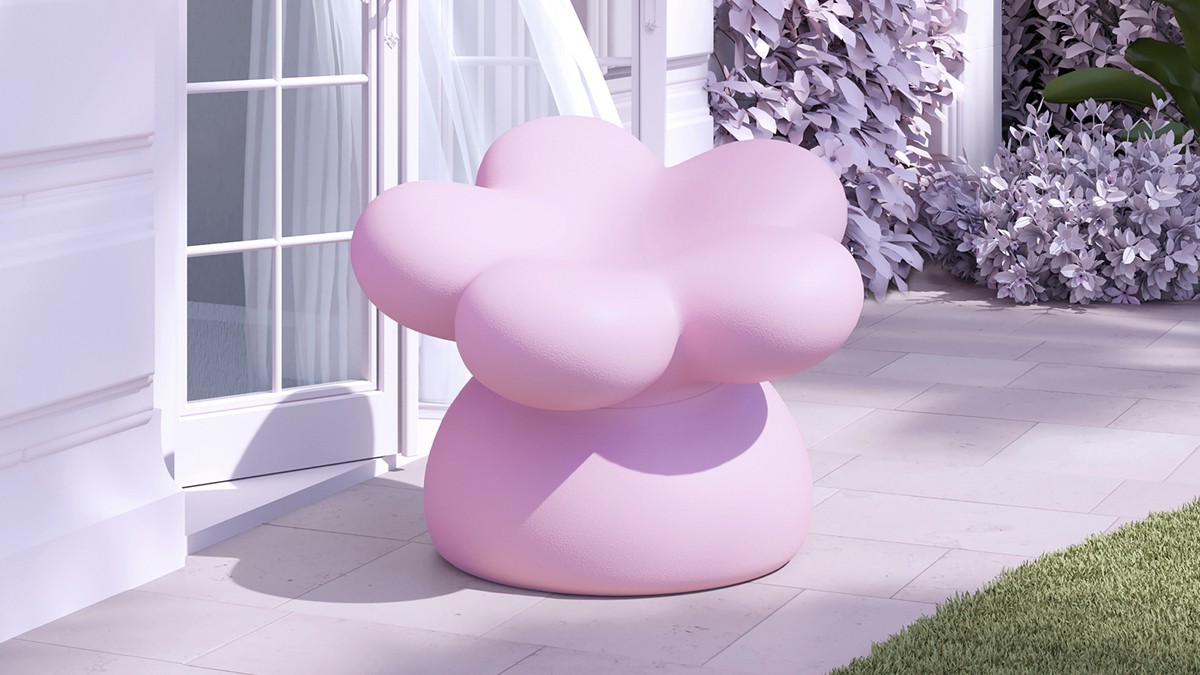
Working with Flowers: Floral Arrangements
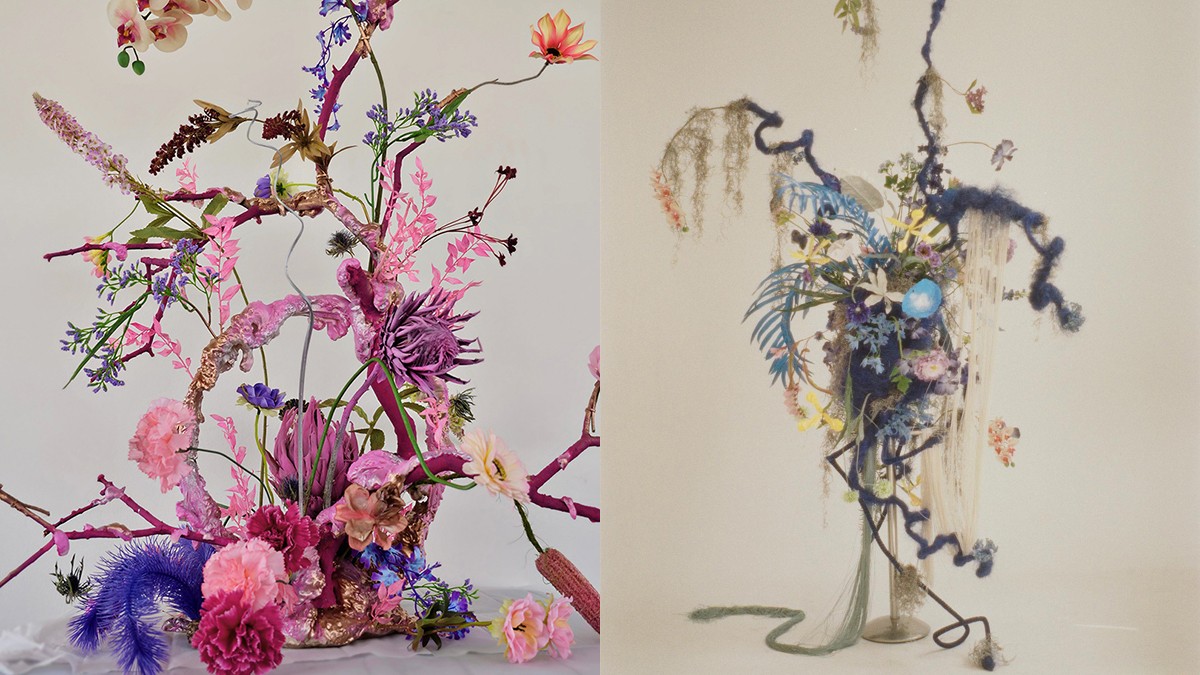
Works by Vienna-based floral designer and florist Alma Bektas. Photos: Alma Bektas (left), Markus Toll (right).
Certain interior elements act like catalysts. Much like lighting a candle, a classic bouquet offers an instant transformation of our surroundings. For those who love their homes but crave constant evolution, flowers are the ultimate flexible tool, pops of colour capable of shifting a room’s entire dynamic.
Staying on top of floral trends is rewarding, but it pays to keep a critical eye. “The competition in this industry is fierce, and trends go viral in a heartbeat on social media,” notes Vienna-based floral designer Alma Bektas. Recently, for example, it was all the rage to weave sculptural fruits and vegetables into arrangements, a practice that's far from sustainable. Bektas, however, chooses a different path. She leans into materials that outlive the typical fresh bloom, using woody branches and dried botanicals accented by only a few fresh flowers. The result? Immersive, room-filling installations that feel as though they’ve grown organically, whisking the viewer away into surreal, enigmatic worlds.
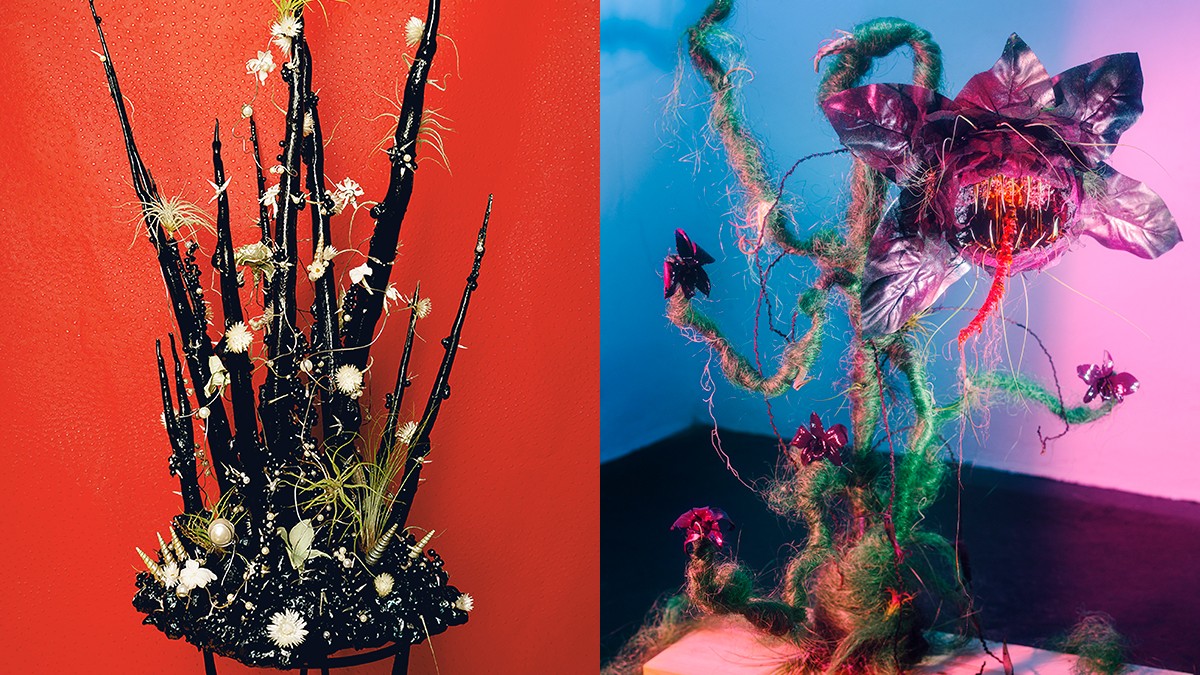
Works by Alma Bektas. For "Grane" (Serbian for "branches," left), the floral artist utilised dried branches and plant debris alongside metal and living botanicals. Photos: Alma Bektas (left), Erli Grünzweil (right).
Inspired by Flowers: Fresh Product Design
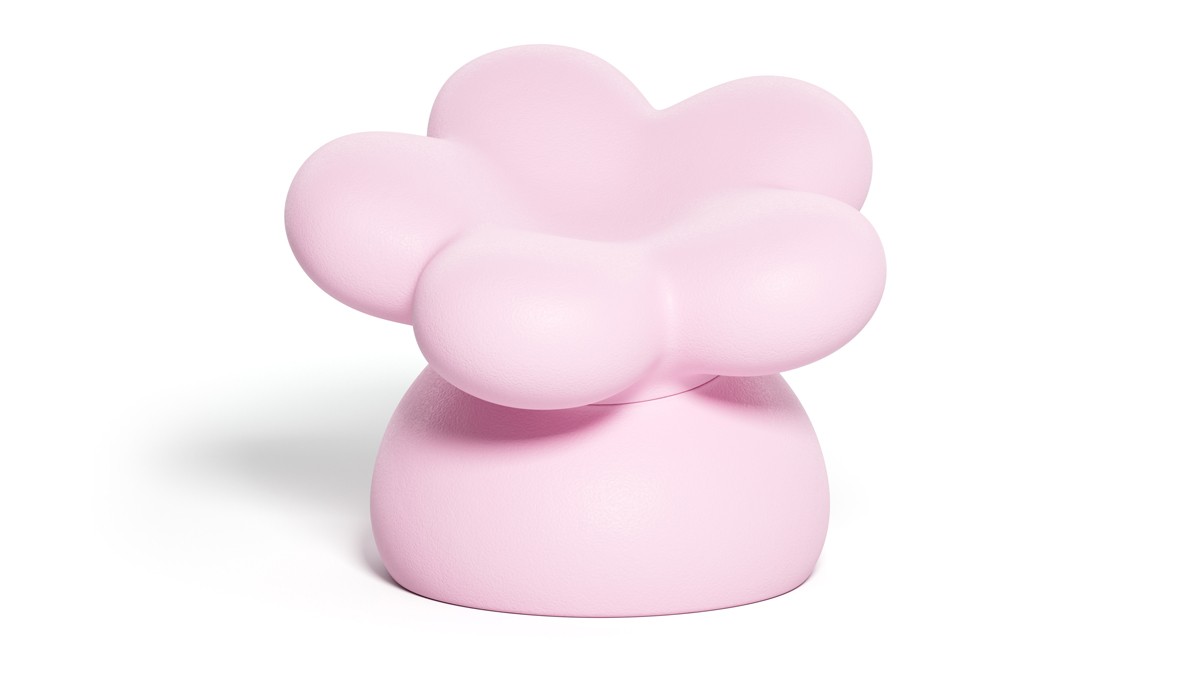
Gufram’s "Flowie" channels the playful design language and aesthetic of the 1990s. Photo: Gufram
"Flowers? For spring? Groundbreaking." It’s the infamously icy line from “The Devil Wears Prada”. But while the fashion world might meet floral motifs with a weary smile, they have a radical history in design and craftsmanship. Once celebrated during the Art Nouveau era, floral ornamentation was later branded a "crime" by modernists like Adolf Loos.
Thanks to postmodern designers, however, the floral reference has made a defiant comeback in contemporary design. Take Gufram’s "Flowie" stool, for instance, a piece that channels the playful, vibrant aesthetics of the 1990s.
Designer Flora Lechner takes a completely different approach, and her name says it all. Based in Eindhoven, she creates silhouette-like aluminum lamps, meticulously hand-assembling them from numerous individual components into intricate structures.
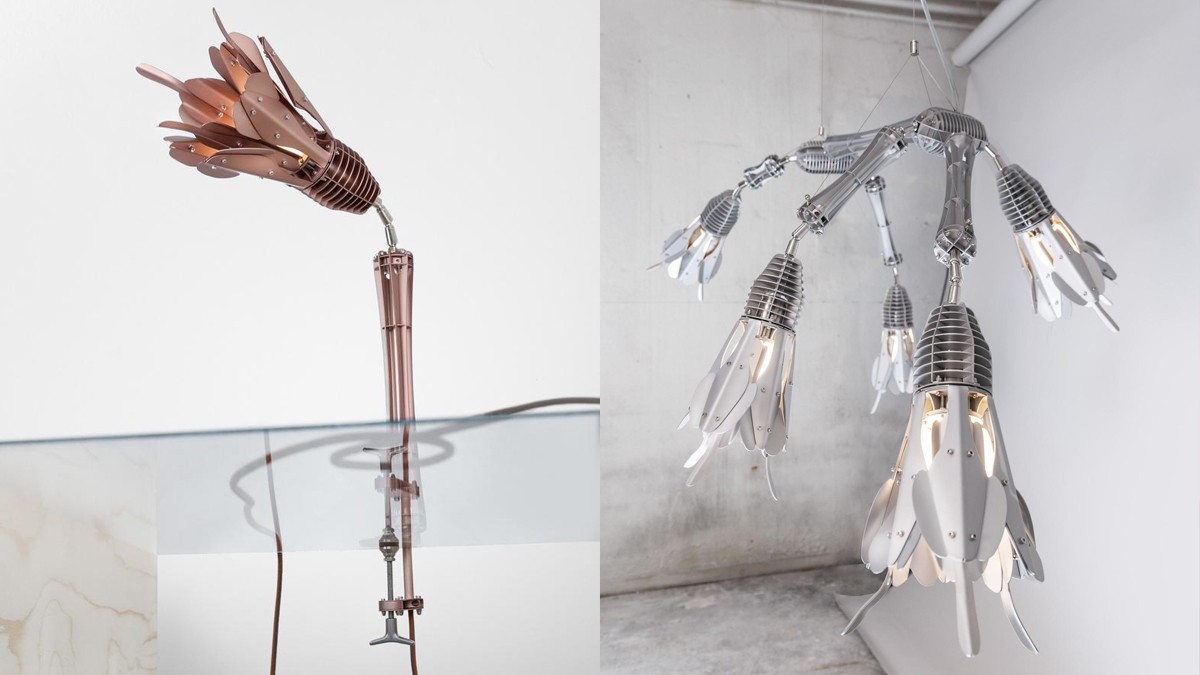
The "Convector Light Series" by designer Flora Lechner. Photos: Anastasija Mass
Learning from Flowers: Finding the Right Colour Palettes
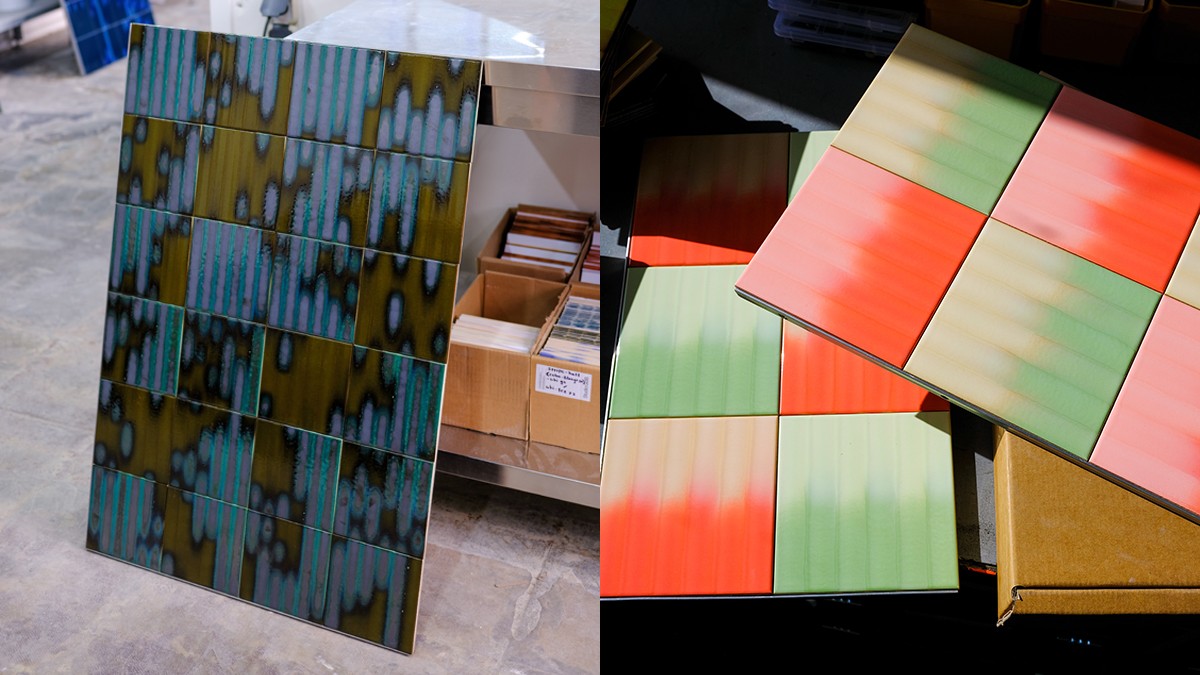
Colourful Tiles by Palet. Photos: Palet
If you’ve ever watched Dries van Noten wandering through his garden ( as seen in his eponymous documentary ), it’s impossible not to see those blooms reflected in his collections. Fashion illustrator Jenny Walton draws her inspiration from the colour stories of everyday life, even coining her own term for it: “Colour Paletting.” It’s only fitting then that tile manufacturer "Palet" shares that linguistic root – their vibrant colourways often feel like carefully composed floral arrangements in ceramic form.
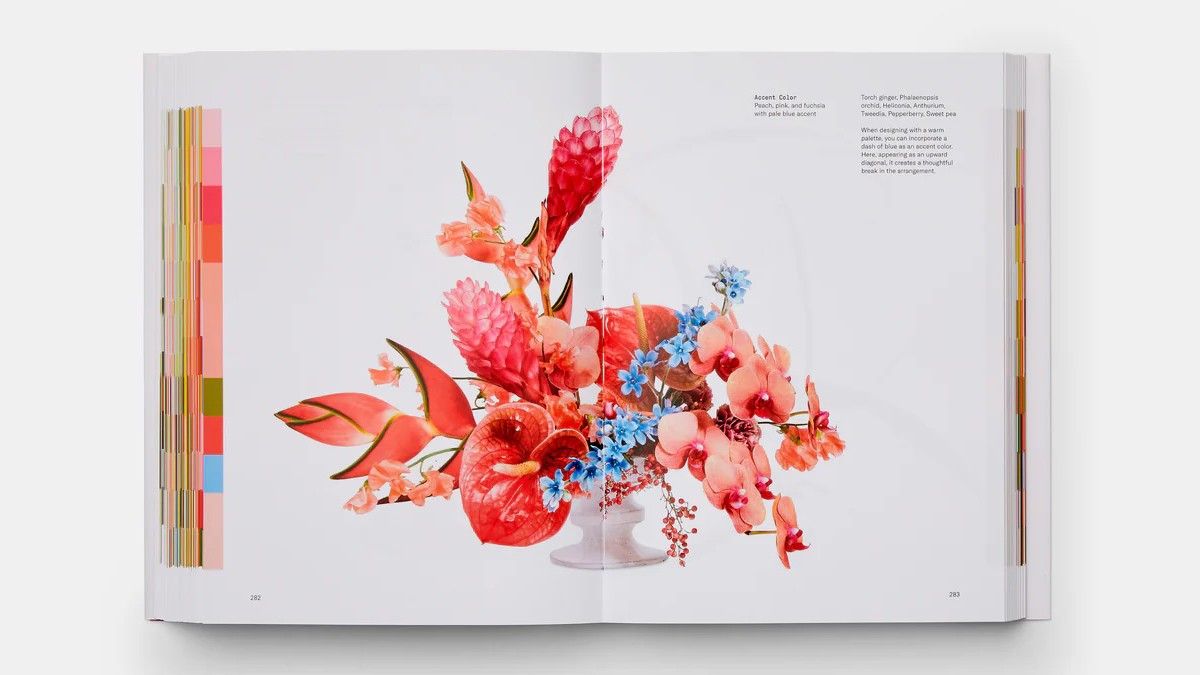
"Flower Colour Theory" by Darroch and Michael Putnam marks the second volume by the floral duo to be published by Phaidon. Image: Phaidon
The final bloom in today’s bouquet is “Flower Colour Theory” by Darroch and Michael Putnam, published by Phaidon. The NYC-based duo behind Putnam & Putnam are renowned for their high-chroma, painterly arrangements created for major fashion houses, museums, and cultural institutions alike. This botanical color compendium is the follow-up to their successful “Flower Colour Guide,” serving as a definitive toolkit for crafting floral palettes.
We wish you a vibrant spring awakening!
Author
the thing author

